






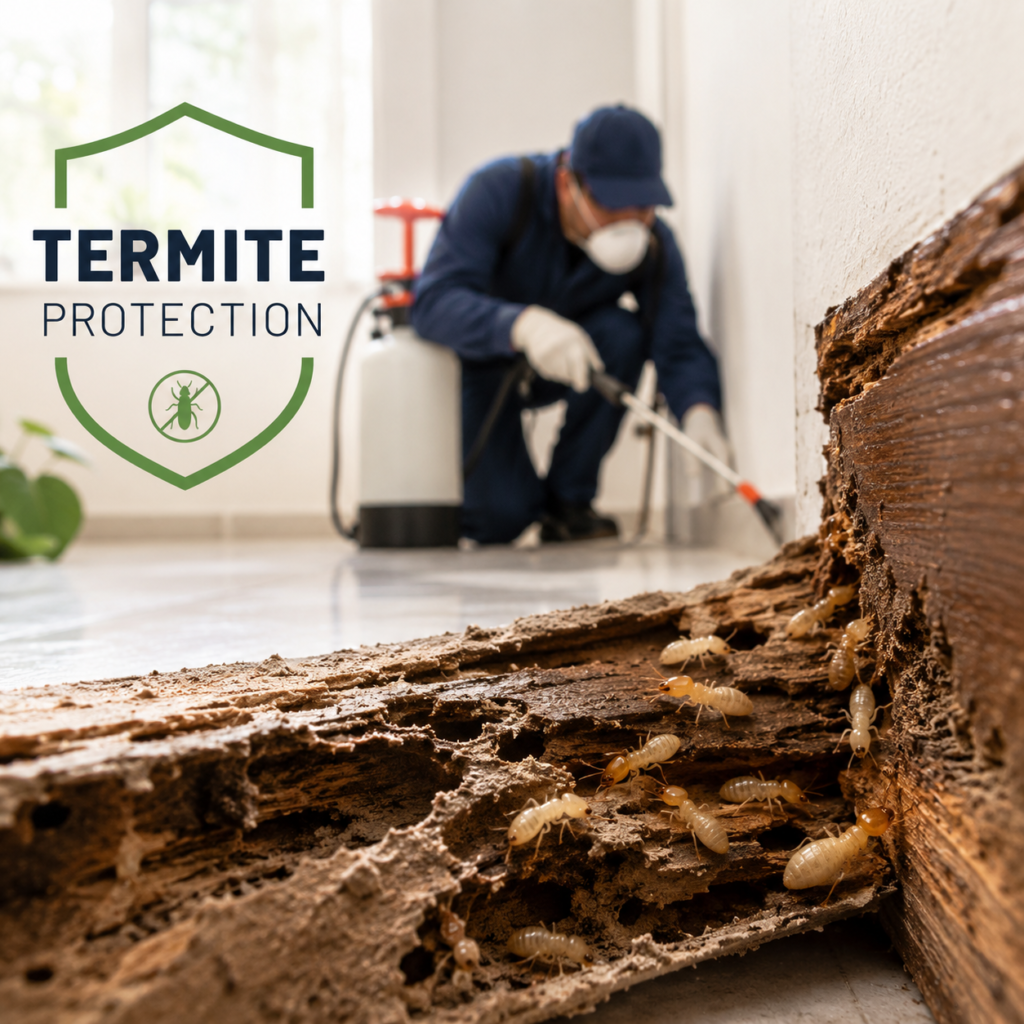
How Long Does Antitermite Treatment Last and When to Re-Treat
Termites can remain hidden for months while gradually damaging wooden furniture, flooring, doors, foundations, and other vulnerable areas. A professional antitermite treatment can create an important barrier against these destructive pests, but its effectiveness does not necessarily last forever.
So, how long does antitermite treatment last? The answer depends on the treatment method, chemical formulation, moisture conditions, construction of the property, termite pressure, and whether the treated areas remain undisturbed.
Understanding the expected treatment life—and recognizing when protection may be weakening—can help homeowners arrange timely inspections and avoid expensive termite damage.
How Long Does Antitermite Treatment Last?
There is no single fixed duration for every antitermite treatment. Depending on the method and property conditions, professional treatment may provide protection for several years.
Factors that influence the longevity of antitermite treatment include:
- Type and quality of termiticide used
- Severity of the existing infestation
- Soil and moisture conditions
- Construction and age of the property
- Whether treated soil or structural areas are disturbed
- Plumbing leaks and persistent dampness
- Local termite activity
- Quality of the original application
A professional inspection can determine whether an existing antitermite treatment is still providing adequate protection or whether additional treatment is necessary.
What Can Reduce the Effectiveness of Antitermite Treatment?
Even a properly completed antitermite treatment can become less effective when conditions around a property change.
1. Excess Moisture
Leaking pipes, damp walls, poor drainage, and water accumulation can create favorable conditions for termites. Homes with persistent moisture problems may require closer monitoring after antitermite treatment.
2. Construction or Renovation Work
Drilling, landscaping, plumbing changes, flooring replacement, or structural modifications can disturb treated areas. Such work may create new routes through an existing termite barrier.
3. New Termite Activity
A nearby colony can eventually create a new entry route. This is why antitermite treatment should be considered part of an ongoing prevention strategy rather than a one-time solution.
4. Poor Initial Treatment
If hidden infestation points, soil zones, or vulnerable structural areas were missed during the original application, termites may continue to survive. Professional termite pest control generally involves inspection before deciding which treatment approach is appropriate.
Signs It’s Time for Re-Treatment
Knowing the warning signs can help homeowners arrange another inspection before termite damage becomes extensive.
Watch for these indicators:
- Fresh mud tubes: New tunnels along walls, foundations, or other surfaces can indicate active termite movement.
- Hollow-sounding wood: Damaged timber may sound empty when tapped.
- Discarded wings: Winged termites or piles of wings around windows and doors may indicate termite activity.
- New wood damage: Tiny holes, weakened furniture, or damaged wooden frames should not be ignored.
- Cracking or bubbling surfaces: Paint or wall surfaces can sometimes show signs associated with hidden termite activity.
- Doors and windows becoming difficult to operate: Structural or wooden deterioration can cause previously smooth-moving fixtures to stick.
- Visible live termites: Seeing termites after an earlier antitermite treatment is a strong reason to schedule a professional inspection.
These warning signs are also discussed in Sera Facility’s guide to early signs of termite infestation, which covers common indicators such as hollow wood, mud tubes, discarded wings and damaged surfaces.
Does Your Home Need Antitermite Treatment Again?
Retreatment should not be based only on the age of the previous service. A professional should first assess the property and determine whether termite activity is present.
During an inspection, professionals may examine:
- Wooden doors, frames, and furniture
- Floor and wall junctions
- Damp or poorly ventilated areas
- Foundation and soil around the property
- Previous treatment zones
- Areas affected by recent construction
- Visible termite trails and damage
If evidence of renewed activity is found, a suitable anti termite treatment can be planned according to the property’s condition.
Antitermite Treatment for Different Home Situations
The right antitermite treatment can vary depending on whether the property is newly constructed, already occupied, or undergoing renovation.
Termite Treatment at Home
For an existing property, termite treatment at home may involve treating affected areas and creating protective barriers in appropriate locations. The exact approach should be selected after an inspection rather than relying on a generic DIY solution.
Anti-Termite Treatment for House
An anti-termites treatment for house can focus on vulnerable areas such as foundations, soil, wooden structures, and other potential entry points. Preventive measures are especially valuable in properties where moisture and termite activity are persistent concerns.
Home Pest Control and Ongoing Prevention
Good home pest control is not limited to treating visible insects. Regular inspections, moisture management, proper ventilation, and prompt repairs can reduce conditions that encourage termites.
Why Professional Termite Pest Control Matters
DIY products may appear convenient, but visible termites are not always the complete problem. Colonies can remain concealed behind walls, below floors, or inside wooden structures.For homeowners dealing with recurring termite activity, choosing a reliable termite control service Kolkata can make ongoing prevention much easier. Professional technicians can inspect hidden areas, identify potential entry points, and recommend the right treatment based on the property’s condition. Regular inspections and timely treatment can help protect wooden structures and reduce the risk of extensive termite damage.
Professional termite pest control can help identify hidden activity and determine whether an existing antitermite treatment remains effective. Depending on the property, professionals may recommend soil treatment, wood treatment, baiting systems, or other appropriate approaches.
The wider termite treatment industry is also evolving, with treatment approaches including liquid termiticides, termite baits, and wood treatments. A recent market analysis from DataIntelo covers these treatment categories and reports growing demand for termite management solutions globally. You can explore the global termite treatment market report for additional industry insights.
How to Make Antitermite Treatment Last Longer
Although no treatment can guarantee permanent protection, homeowners can support the effectiveness of antitermite treatment by following simple preventive measures:
- Fix leaking taps and pipes quickly.
- Keep wooden structures away from unnecessary moisture.
- Improve ventilation in damp areas.
- Maintain proper drainage around the property.
- Avoid disturbing treated soil without professional advice.
- Schedule periodic termite inspections.
- Act immediately when new termite signs appear.
- Keep records of previous antitermite treatment and inspection dates.
Antitermite treatment is an important part of protecting a property from potentially costly termite damage, but its effectiveness depends on several environmental and structural factors. Instead of waiting for visible destruction, homeowners should monitor their property for early warning signs and arrange professional inspections when necessary.
If you notice mud tubes, hollow wood, discarded wings, fresh damage, or live termites after previous antitermite treatment, don’t assume the original protection is still sufficient. Timely anti termite treatment or re-treatment can help address renewed activity before it develops into a larger problem.
FAQs
- How long does antitermite treatment normally last?
The duration varies according to the treatment method, property conditions, moisture levels, chemical formulation, and termite pressure. Regular inspections are useful for determining whether protection remains effective. - When should a house be re-treated for termites?
Re-treatment may be appropriate when new termite activity appears, treated areas are disturbed, moisture problems develop, or an inspection identifies renewed infestation. - Can termites return after antitermite treatment?
Yes. Termites can establish new entry routes or colonies, particularly where moisture, soil contact, or structural changes create favorable conditions. - Is termite treatment at home safe?
Professional termite treatment at home should be carried out according to the product label, safety requirements, and site-specific recommendations. Occupants may need to follow precautions provided by the service professional. - Is professional termite pest control better than DIY treatment?
Professional termite pest control can provide a more comprehensive assessment because technicians can inspect concealed areas and select treatment methods based on the infestation and property. - How often should a property be inspected for termites?
There is no universal schedule for every property. Homes in humid areas or properties with previous termite activity may benefit from more frequent professional inspections.