
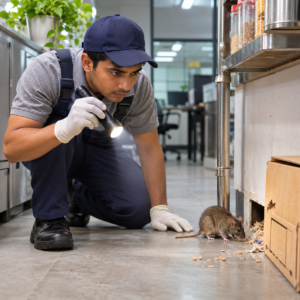





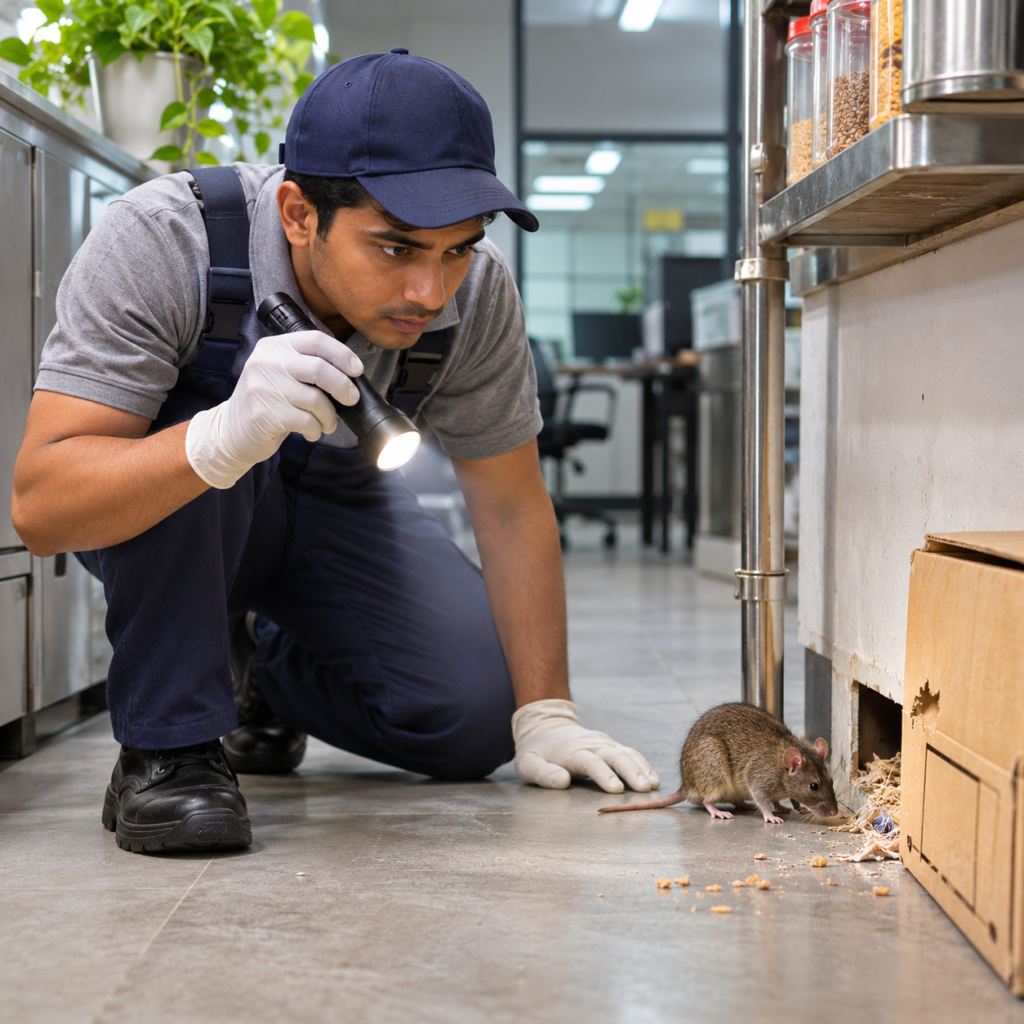
A rat infestation can begin quietly. You may notice droppings behind a kitchen cabinet, damaged food packaging or scratching sounds after dark. Rats can contaminate food and surfaces, damage wiring and furnishings, and create hygiene concerns in homes and workplaces.
Early detection makes rodent control easier. Recognising warning signs and improving property maintenance can stop a small problem from becoming harder to manage. Here is what to look for and when to consider professional rat control services in Kolkata.
6 Early Signs of Rat Infestation
Rats usually hide during the day and move along familiar routes, so you may notice evidence before seeing one.
1. Rat Droppings
Small, dark droppings may appear inside kitchen cabinets, drawers, behind appliances, near bins, in storerooms or around food storage. Fresh droppings can indicate recent activity. Do not touch them with bare hands.
2. Gnaw Marks and Damaged Packaging
Rats chew materials to reach food and create access or nesting spaces. Look for bite marks on plastic packets, cardboard boxes, wooden fixtures, door edges and other stored materials. Chewed electrical cables need prompt attention because damaged wiring can create an electrical or fire hazard.
3. Shredded Nesting Material
Rats may use paper, cloth, cardboard, insulation and other soft material to build nests. Check quiet, cluttered areas such as behind cupboards, inside storage spaces, under equipment and around ceiling or wall gaps.
4. Greasy Marks, Tracks or Burrows
Repeated movement along walls and skirting boards can leave dark rub marks. Footprints or tail marks may show up in dusty areas. Outdoors, disturbed soil or holes near rubbish storage, drains and building edges may indicate burrowing activity.
5. Scratching or Scurrying Sounds
Listen for movement in false ceilings, wall cavities, lofts, storage rooms and behind cabinets, particularly at night. Noise alone does not confirm rats, but repeated sounds along with droppings or damage warrant an inspection.
6. Unusual Smells or Live Sightings
A persistent musty or urine-like odour in a hidden area may be a warning sign. Seeing a rat during the day or in a frequently used indoor space should also prompt a closer check. One sighting does not tell you the size of the problem, so inspect for other evidence.
What Causes Rat Infestations?
Rats enter buildings when they can find food, water and shelter. Common conditions that attract them include:
- Accessible food: Open food packets, uncovered leftovers, pet food, spilled grains and overflowing bins provide easy meals.
- Water and damp areas: Leaking taps, pipes, drains and standing water can provide a regular water source.
- Entry gaps: Openings around plumbing, cables, doors, damaged vents and wall cracks can allow rodents to enter.
- Clutter and nesting spaces: Cardboard piles, unused equipment, stacked materials and overgrown outdoor areas create hiding places.
- Poor waste management: Uncovered rubbish, food waste left overnight and irregular disposal can attract rats around homes, restaurants, offices and warehouses.
A property does not need to be visibly dirty to experience a rat problem. Small gaps, nearby waste areas or access from adjoining buildings can also contribute.
Why Should You Address Rat Activity Quickly?
Rats can contaminate food and surfaces through droppings, urine and saliva. Contact with rodents or contaminated materials can expose people to infections; rodents may also carry fleas and mites. They can damage packaging, furniture, stored goods and electrical wiring, disrupting workplaces that handle food or stock.
The US Centers for Disease Control and Prevention (CDC) notes that exposure can occur through direct contact, bites or contaminated food and materials. Treat signs of activity seriously, especially near kitchens and storage areas.
How to Prevent Rats at Home and in the Workplace
Prevention works best when simple measures are followed consistently.
1. Store Food Securely
Keep grains, snacks, animal feed and ingredients in sealed, durable containers. Clean spills promptly and avoid leaving food out overnight.
2. Manage Waste Properly
Use bins with secure lids and remove waste regularly. Keep outdoor bin areas clean and free of food waste.
3. Fix Leaks and Remove Standing Water
Repair leaking taps and pipes, check damp service areas and keep drains maintained. Reducing access to water makes the property less attractive to rodents.
4. Seal Possible Entry Points
Inspect gaps around pipes, cables, doors, windows and vents. Use rodent-resistant materials and fit door sweeps or screens where needed. Arrange proper repairs for larger gaps.
5. Reduce Clutter and Inspect Storage
Keep storerooms, basements and utility spaces organised. Raise goods off the floor where practical and avoid accumulating unused cardboard.
6. Maintain Outdoor Areas
Trim dense vegetation near buildings, remove rubbish and unused materials, and check boundary walls, drain openings and bin areas. Coordinate with building management if activity appears to come from a shared drain or neighbouring property.
What Should You Do If You Find Rat Droppings?
Do not sweep or vacuum dry droppings, urine or nesting material because this can send contaminated particles into the air. Keep children and pets away. For a small area, wear rubber or plastic gloves, wet the material thoroughly with household disinfectant, follow the label’s contact time, then wipe it up with disposable paper towels. Dispose of the waste securely and wash your hands.
If you find a large amount of droppings, multiple nests or evidence across several rooms, avoid cleaning it yourself. A heavy infestation may require specialist protective equipment and a professional cleanup plan. Follow local public-health advice and the disinfectant manufacturer’s directions.
When Should You Contact a Professional Rat Control Service?
Consider professional help when you repeatedly find fresh droppings, notice new gnaw marks, hear persistent movement inside walls or ceilings, see rats in occupied areas, or continue to experience activity after improving sanitation and sealing obvious gaps. Businesses such as restaurants, warehouses, offices and retail premises should act promptly because rodents can affect stored goods, hygiene and daily operations.
A professional inspection can identify activity areas, entry points and conditions attracting rodents. The provider can recommend a suitable treatment and prevention plan. Ask about the methods, preparation, safety precautions for children, pets or staff, and follow-up checks. Use rodent baits or chemicals only as directed and keep them inaccessible to children and animals.
Get Help with Rat Control in Kolkata
A clean and well-maintained property is an important first step, but a recurring rat problem may need a structured response. Sera Facility Management lists rodent control among its pest-management services and describes an inspection-led process for assessing a property and planning treatment for residential and commercial spaces.
If you have noticed signs of rat activity at home, in an office or at a commercial premises, visit Sera Facility Management’s rat control service page to learn more and enquire about suitable assistance. Early action, effective prevention and regular monitoring can help protect your property from further rodent activity.